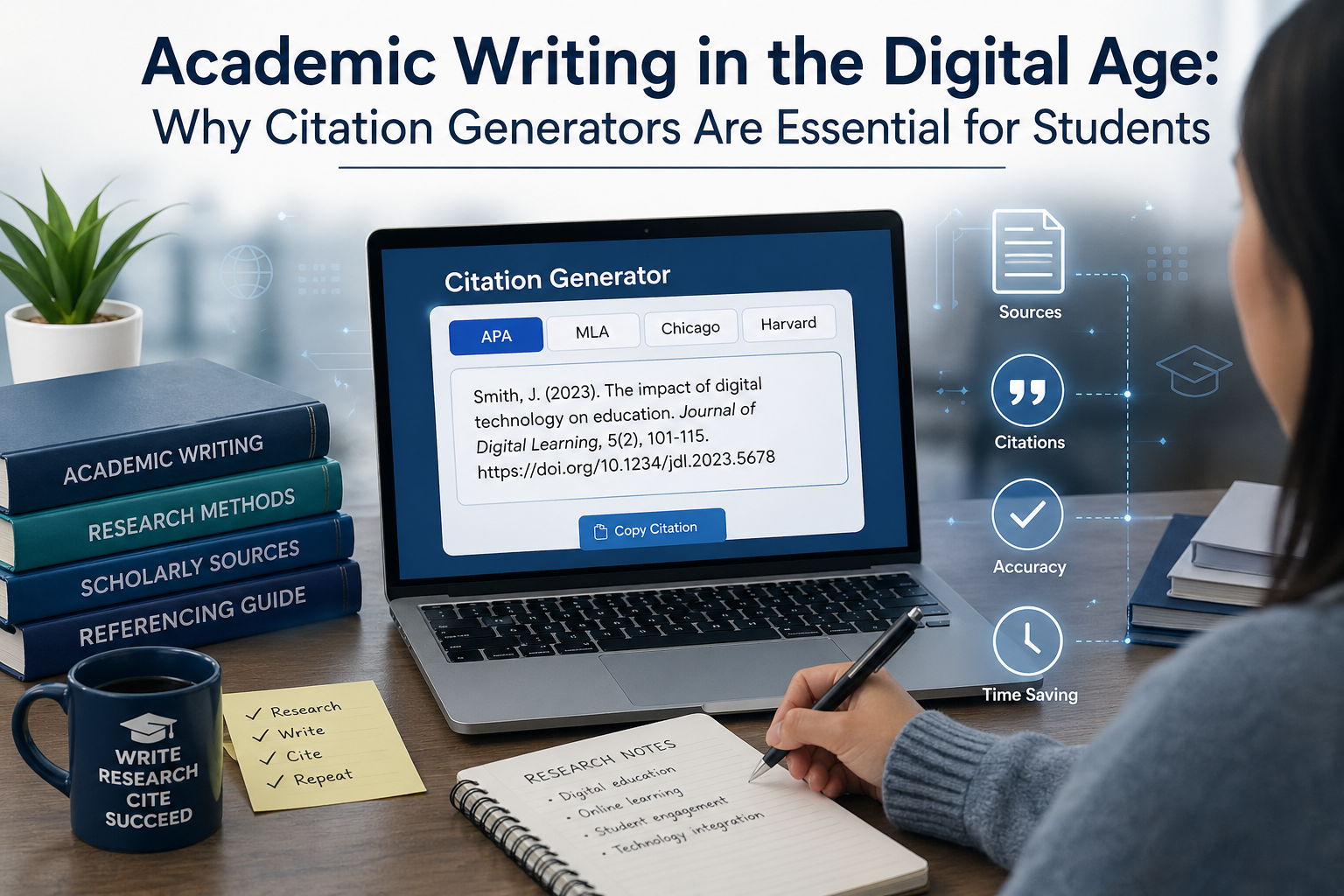







Content creation used to feel like a grind. Long hours, messy drafts, constant rewrites. Then AI writing assistants showed up, and things started shifting, slowly at first, then all at once. Writers, marketers, and even students began leaning on these tools. Not fully trusting them, maybe, but still using them. And now? They sit right in the middle of the creative process.
We think the biggest change isn’t speed, though that’s obvious. It’s the way ideas form. You don’t always start with a blank page anymore. You start with a suggestion, a rough paragraph, something imperfect but usable. That changes the mindset. You edited earlier. You think differently.
The Shift from Manual Writing to Assisted Creativity
Writers used to guard their process. It felt personal, almost fragile. Now, there’s this quiet collaboration happening between humans and machines. Not dramatic. Just… constant.
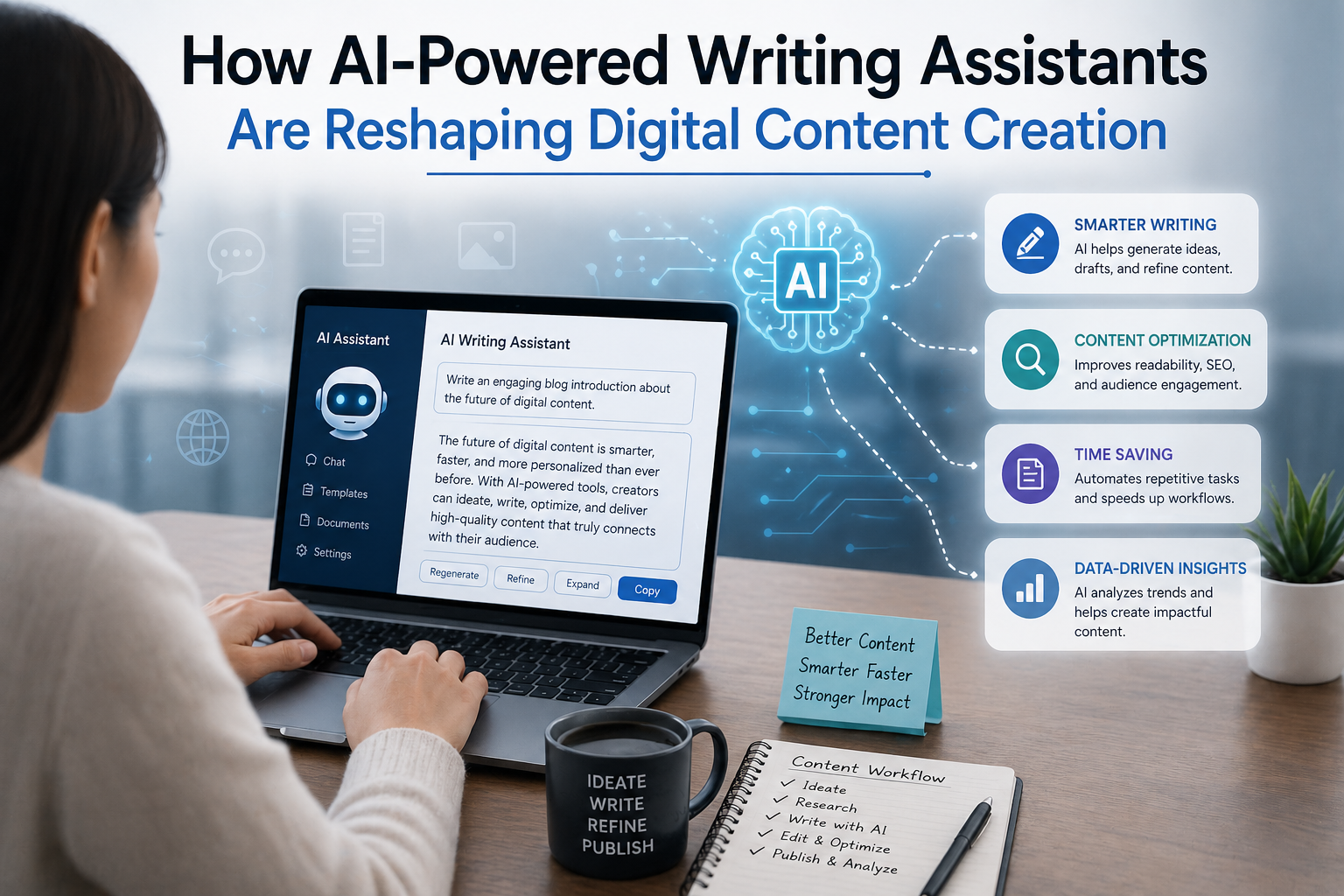
AI tools can throw out outlines, expand bullet points, and fix awkward phrasing. You type a sentence, it suggests three more. Some are off. Some are weirdly good. You pick, adjust, move on. It’s less about writing everything from scratch and more about shaping what’s already there.
This doesn’t mean creativity disappears. Honestly, it gets pushed in a different direction. Instead of struggling to start, writers spend more time refining tone, adjusting flow, and making content feel real. That part still matters. Maybe more than before.
There’s also a practical side. Tools like a Chicago Format & Citations Generator slip into academic and professional writing workflows without much friction. Citations, formatting, references… the tedious bits get handled faster. Less time worrying about commas in references, more time thinking about the argument itself.
And yeah, sometimes the AI gets things wrong. That’s part of it. You don’t just accept everything it gives you. You question it. Fix it. Rewrite chunks. It’s a back-and-forth, not a one-click solution.
Speed Changes Everything, But Not in the Way You Think
People love talking about speed. “Write articles in minutes,” they say. Sure, technically true. But raw speed isn’t the full story.
What actually changes is momentum.
Writers don’t stall as often. That stuck feeling, staring at a blinking cursor, happens less. You always have something to react to. Even a bad suggestion is useful because it gives you direction. You can say, “No, not like this,” and suddenly you know what you want instead.
According to our analysts, teams using AI tools publish more frequently, but they also experiment more. Short posts, long guides, weird formats. The risk feels lower when the starting point is easier.
Still, there’s a trade-off. If you rely too heavily on AI, the writing can start to feel flat. Same patterns, same tone. Readers notice. So smart creators mix things up. They inject personality, slang, even imperfections. Make the content breathe a little.
SEO and Content Strategy Get a New Rhythm
Search engine optimization used to be a slow, research-heavy process. Keyword planning, competitor analysis, endless tweaking. AI tools compress that timeline.
You can generate keyword ideas, outlines, and even full drafts in minutes. It’s wild. But here’s the thing, everyone has access to the same tools. So the playing field shifts.
Winning content isn’t just optimized anymore. It has to feel human. Slightly unpredictable. A bit messy, even.
We think the best-performing content now sits somewhere in between machine efficiency and human instinct. Too polished, it feels robotic. Too chaotic, it loses clarity.
There’s also a shift in how teams collaborate. Writers, editors, SEO specialists… they overlap more. AI kind of blurs those roles. A writer might handle keyword placement. An SEO specialist might tweak tone. Lines get fuzzy.
And honestly, that’s not a bad thing.
The Rise of Personalization in Digital Content
One thing AI does really well is adapting tone. Do you want formal? Done. Casual? Easy. Something in between? I’ll try.
This opens the door for personalized content at scale. Emails that sound like they were written just for you. Blog posts that match a brand’s voice almost perfectly. Social media captions that feel… oddly specific.
But there’s a catch. Over-personalization can feel creepy if it goes too far. People don’t like feeling analyzed. So creators have to balance it. Keep it natural. Keep it subtle.
We think audiences can tell when something is overly engineered. There’s a gut reaction. If it feels off, they click away.
So even with all this tech, human judgment still sits at the center. Deciding what feels right. What sounds genuine.
Content Quality Is Being Redefined
Quality used to mean polished grammar, strong structure, and clear arguments. That still matters, sure. But now there’s another layer.
Originality.
AI can produce clean, readable content fast. But it often lacks depth. It plays it safe. So writers have to push beyond that. Add insights, personal takes, unexpected angles.
Maybe even leave a sentence slightly unfinished. Like this one…
That kind of thing sticks with readers.
There’s also more emphasis on voice. A distinct tone can set content apart in a crowded space. AI can mimic styles, but it doesn’t fully own them. Not really.
So creators who develop a strong voice still have an edge. Big time.
The Expanding Role of Professional Writers
Some people worried AI would replace writers. That hasn’t really happened. The role just shifted.
Writers now act more like editors, strategists, and curators. They guide the AI, shape the output, and refine the message. It’s less about typing every word and more about making decisions.
At the same time, demand for specialized writing hasn’t dropped. If anything, it’s grown. Businesses still want high-quality content that feels authentic. That’s hard to fake.
Even niches like book ghostwriter services are seeing changes. AI can help draft sections, suggest ideas, and maybe structure chapters. But the emotional depth, the storytelling nuance, that still leans heavily on human experience.
We think the future writer is someone who knows how to work with AI, not compete against it.
Challenges That Can’t Be Ignored
It’s not all smooth. There are real issues.
Plagiarism concerns pop up. AI sometimes pulls too closely from existing content. Not always obvious, but it happens. Writers need to double-check, rewrite, and make sure everything is clean.
There’s also the risk of misinformation. AI doesn’t always get facts right. It can sound confident while being completely wrong. That’s dangerous, especially in technical or academic content.
Then there’s dependency. Relying too much on AI and your own skills might weaken. Writing is like a muscle. If you stop using it, it fades.
So balance matters. Use the tools, but don’t let them take over completely.
Where This Is All Heading
Honestly, it’s still unfolding.
AI writing assistants are getting better. Smarter. More context-aware. But they’re not perfect, and maybe they never will be.
We think the future of content creation isn’t about replacing humans. It’s about shifting how work gets done. Faster drafts. More experimentation. Less friction.
But the core idea stays the same. Good content connects with people. It feels real. It says something worth hearing.
And no tool, no matter how advanced, can fully replicate that human touch.
At least not yet.