






The Way Students Write Has Changed… A Lot
Academic writing used to feel slower. You’d sit with books, flip pages, mark sections, maybe lose track of time in a quiet library corner. Now it’s different. Screens everywhere. Ten tabs open. Notes scattered across apps, docs, screenshots… a bit chaotic, honestly.
Students jump between sources quickly, sometimes too quickly. You read something useful, copy a line, then move on. Later, you stare at that same sentence thinking, where did I even get this? It happens more than people admit.
This shift didn’t make writing easier. It just made it faster, and messier.
Why Citations Still Matter More Than Ever with Harvard Format Generator
Some students treat citations like a boring rule. Just something you do because you have to. But that thinking doesn’t hold up for long. Citations are what give your work credibility. They show your ideas are grounded, not random guesses or copied thoughts.
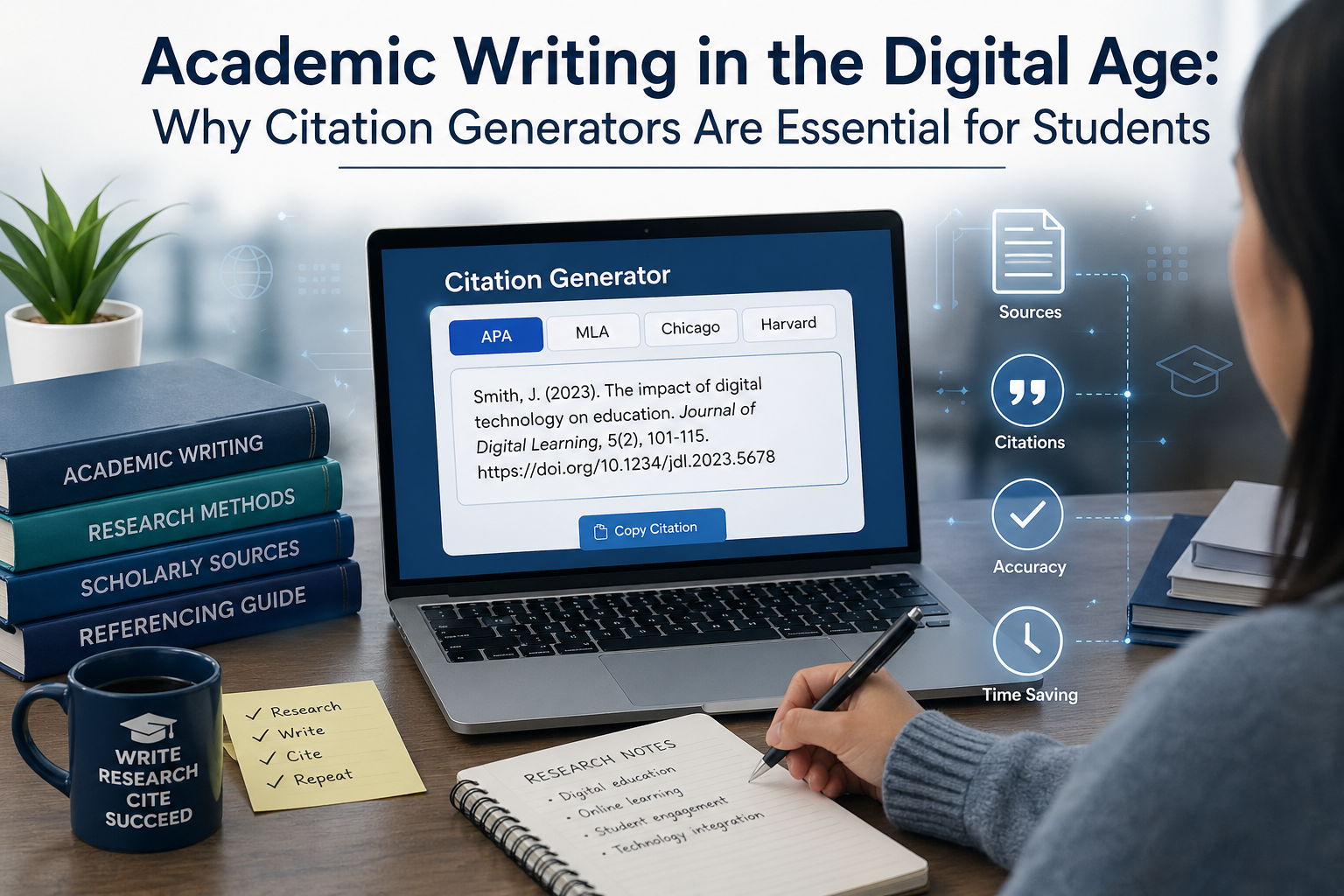
And mistakes? They’re easier to make now. One wrong detail, one missing author, one incorrect format, and things can go sideways. A Harvard Format Generator helps keep that under control. It handles the structure, the order, the little details that are easy to overlook when your brain is already tired.
We think most students don’t struggle with understanding sources. They struggle with presenting them correctly. Big difference.
Manual Referencing Feels Like a Trap Sometimes
You open a citation guide. It looks simple at first. Then suddenly… it’s not. Different rules for books, websites, journals. Tiny formatting differences that somehow matter a lot.
You fix one reference, then doubt it. Check another example. Now you’re confused again.
Honestly, it eats time. And it’s frustrating because it doesn’t improve your argument. It doesn’t make your writing stronger. It just sits there, demanding attention.
So what happens? Students rush it. Or leave it till the end. That’s when errors sneak in quietly.
Citation Generators Take That Pressure Off
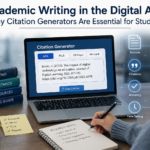
Citation generators are simple tools, but they change the workflow completely. You drop in a link or a title, and boom, a formatted reference appears.
It’s not magic, but it feels close when you’re on a deadline.
Instead of stressing over commas and italics, you focus on what actually matters. Your ideas. Your structure. Your argument. The parts that teachers actually read carefully.
And consistency improves without effort. Every citation follows the same pattern. No weird variations, no mixing styles halfway through.
Speed Matters… But So Does Accuracy
Some people don’t fully trust automated tools. Fair enough. No tool gets everything right every single time.
But compare it to manual work done under pressure. Late night, low energy, rushing to finish. That’s when mistakes multiply.
Citation generators cut down those common errors. Missing years, wrong punctuation, incorrect ordering. Still, a quick check helps. Just a glance. Make sure names and dates match your source.
So yeah, speed is great. But accuracy stays in the picture too.
How Students Actually Use These Tools
Writing isn’t a straight line. It’s messy. You research, write a bit, stop, scroll, come back later. Sometimes you forget what you were doing entirely.
Citation generators fit right into that chaos. You grab a source, generate the reference instantly, and move on. No pause, no disruption.
Over time, this builds a better habit. You collect citations as you go. You don’t leave everything for the last minute. That alone can reduce a lot of stress.
Because let’s be honest… nobody enjoys fixing references at 3 a.m.
Automation in Academic Work… Helpful or Not?
There’s always that debate. Are tools making students lazy? Or just more efficient?
Maybe both, depending on how they’re used.
But think about it. Not every part of academic work needs deep thinking. Formatting citations is repetitive. Mechanical. It follows rules, not creativity.
So letting a tool handle that part makes sense. It frees up energy for actual thinking. Analysis, arguments, interpretation.
We think that’s a fair trade.
Mistakes Still Happen… Even With Tools
Let’s not pretend tools fix everything. Students still forget to cite sources. Or they mix different citation styles without realizing. Or they trust auto-filled data without checking.
If the input is wrong, the output won’t be perfect either.
So yeah, attention still matters. You can’t switch off completely and expect flawless results.
But the margin of error is definitely smaller with a generator than without one.
Academic Pressure Isn’t Getting Lighter
Deadlines pile up. Expectations rise. Plagiarism checks get stricter every year. Even small mistakes can create big issues.
Students feel that pressure. Sometimes it’s not about writing well. It’s about avoiding mistakes.
Citation generators help ease that tension. They don’t remove responsibility, but they reduce the risk. Cleaner references mean fewer problems later.
And that peace of mind… it counts for a lot.
Writing Support Goes Beyond Just Citations
Students don’t just struggle with references. Sometimes it’s structure, sometimes it’s wording, sometimes it’s just getting started.
Some even turn to a book ghostwriter for larger or more complex projects. Sounds extreme, maybe. Still, it shows how much support people look for when writing gets overwhelming.
Citation generators are on the lighter side of that support system. Quick, simple, easy to use. No learning curve, no heavy commitment.
So… Are Citation Generators a Must Now?
Feels like they’re becoming one. Most students rely on them without even thinking twice. It’s just part of the process now.
Even instructors expect clean, consistent citations. How you get there matters less than the final result.
And honestly, that makes sense. The goal is clarity, not struggle.
Smarter Writing, Not Harder Writing
Academic writing hasn’t slowed down. If anything, it’s more demanding than before. More sources, tighter deadlines, higher expectations.
Citation generators don’t solve everything. They won’t build your argument or improve your ideas. But they remove friction. And sometimes, removing friction is enough to make everything feel manageable.
We think students aren’t chasing shortcuts all the time. They’re just trying to keep up without burning out. And tools like these… they help, in their own quiet way.