










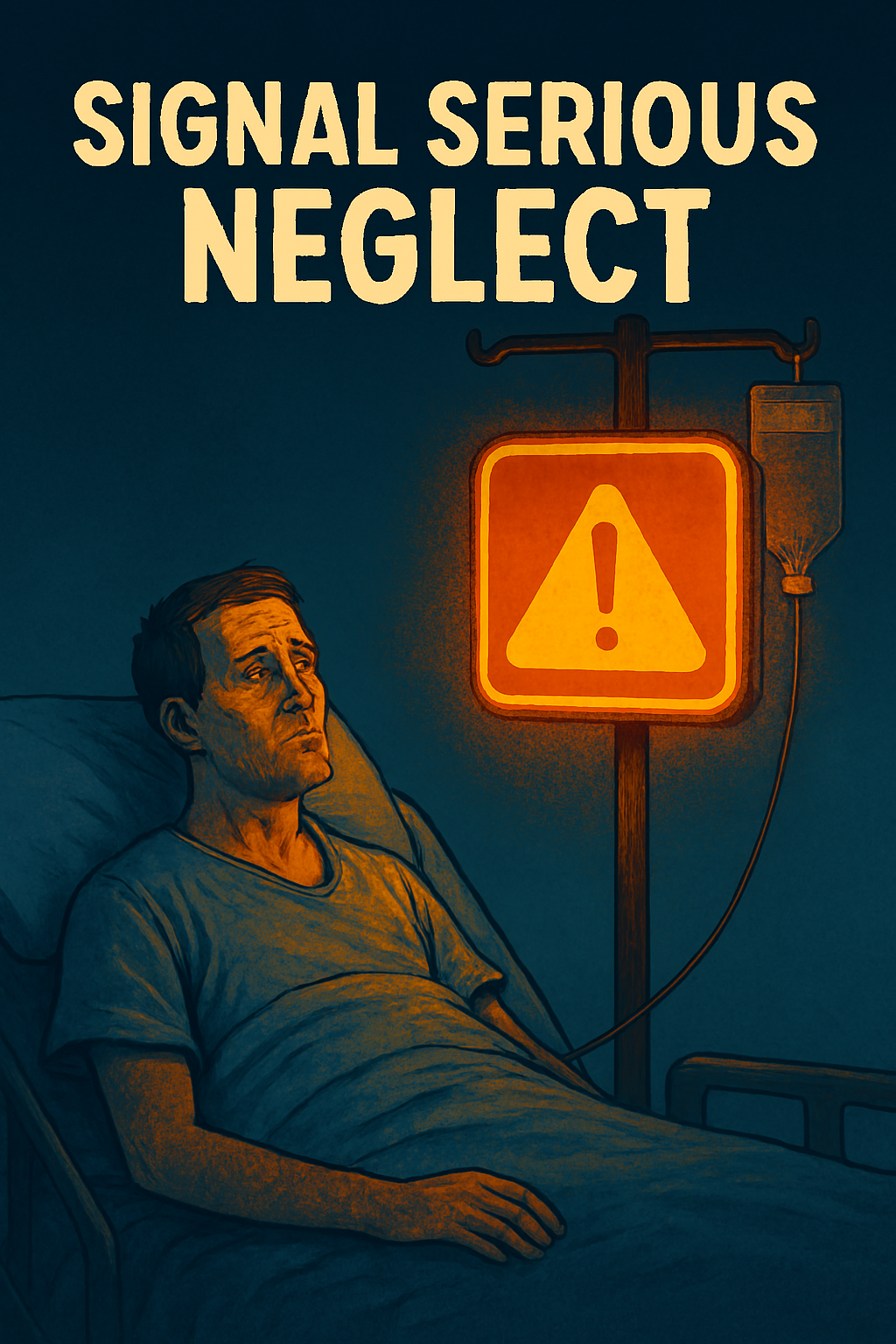
Bedsores and falls are often dismissed as common risks for elderly residents but can be strong indicators of neglect. A Tampa nursing home abuse attorney knows that these injuries frequently result from understaffing, lack of supervision, or improper medical care. When facilities fail to meet basic standards, vulnerable residents suffer preventable harm that could have been avoided with proper attention.
Identifying the Warning Signs
Vigilance is key when protecting your loved ones in nursing homes.Bedsores, or pressure ulcers, are a serious concern that can indicate neglect. By familiarizing yourself with the warning signs, you can take prompt action to ensure proper care.
Early Stage Indicators
In the initial stages, you may notice:
- Redness or discoloration on the skin, particularly over bony areas
- Skin that feels unusually warm, cool, or firm to the touch
- Complaints of burning, itching, or pain in specific areas
These symptoms often appear before an open sore develops, making early detection crucial for prevention.
Advanced Warning Signs
As bedsores progress, more severe symptoms emerge:
- Open wounds or blisters on the skin
- Discolored skin that appears black in severe cases
- Pus-like drainage from the affected area
- Deep craters in the skin, potentially exposing muscle or bone
If you observe these signs, you must immediately alert the nursing staff and document your concerns.
Behavioral Changes
Sometimes, residents may not be able to verbalize their discomfort. Watch for:
- Increased agitation or withdrawal
- Reluctance to be moved or repositioned
- Changes in eating habits or sleep patterns
These behavioral shifts could indicate underlying pain or discomfort from developing bedsores. By staying alert to these warning signs, you play a crucial role in safeguarding your loved one’s health and well-being in their nursing home environment.
The Dangers of Falls in Nursing Homes
Falls pose a significant threat to the health and well-being of nursing home residents. When these incidents occur frequently or without proper intervention, they may indicate serious neglect within the facility. Understanding the risks and implications of falls is crucial for families and caregivers alike.
Common Causes of Falls
Nursing home residents are particularly vulnerable to falls due to various factors. These may include:
- Muscle weakness and gait problems
- Environmental hazards like wet floors or poor lighting
- Medication side effects
- Cognitive impairments
Facilities that fail to address these risk factors through proper assessment, prevention strategies, and staff training may be negligent.
Consequences of Falls
Theimpact of falls on elderly residents can be severe and long-lasting. Injuries may range from bruises and lacerations to more serious outcomes such as hip fractures or traumatic brain injuries. These incidents can lead to decreased mobility, increased dependency, and a diminished quality of life. In some cases, falls can even result in premature death.
Recognizing Signs of Neglect
A pattern of frequent falls or inadequate response to fall incidents may signal neglectful practices. Warning signs include:
- Lack of proper fall prevention measures
- Insufficient staffing or supervision
- Failure to update care plans after fall incidents
- Delayed medical attention following a fall
If you notice these red flags, it is crucial to address your concerns with facility management and consider seeking legal advice to protect your loved one’s rights and safety.
Taking Action Against Nursing Home Neglec
Recognizing the Signs and Speaking Up
If you suspect your loved one is experiencing neglect in a nursing home, it’s crucial to take immediate action. Bedsores and frequent falls are often red flags that warrant investigation. Document any visible injuries, take photographs if possible, and keep a detailed log of incidents. This evidence can be invaluable when reporting your concerns.
Reporting Procedures and Resources
Start by discussing your concerns with the nursing home’s administration. If you’re unsatisfied with their response, escalate the issue to your state’s long-term care ombudsman or the Department of Health. These agencies are equipped to investigate complaints and enforce regulations. Additionally, consider contacting Adult Protective Services, as they specialize in addressing elder abuse and neglect.
Seeking Legal Counsel
In cases of severe neglect or repeated incidents, consulting with an attorney experienced in nursing home abuse cases may be necessary. They can guide you through the complex legal process, help protect your loved one’s rights, and potentially seek compensation for any harm suffered.
Final Thoughts
Families must recognize that frequent falls or untreated bedsores are warning signs of deeper neglect within a nursing home. Taking legal action can not only bring justice to victims but also push for better care standards. A Tampa nursing home abuse attorney can help hold negligent facilities accountable and protect future residents from similar harm.