









Introduction to Market Mapping Analysis
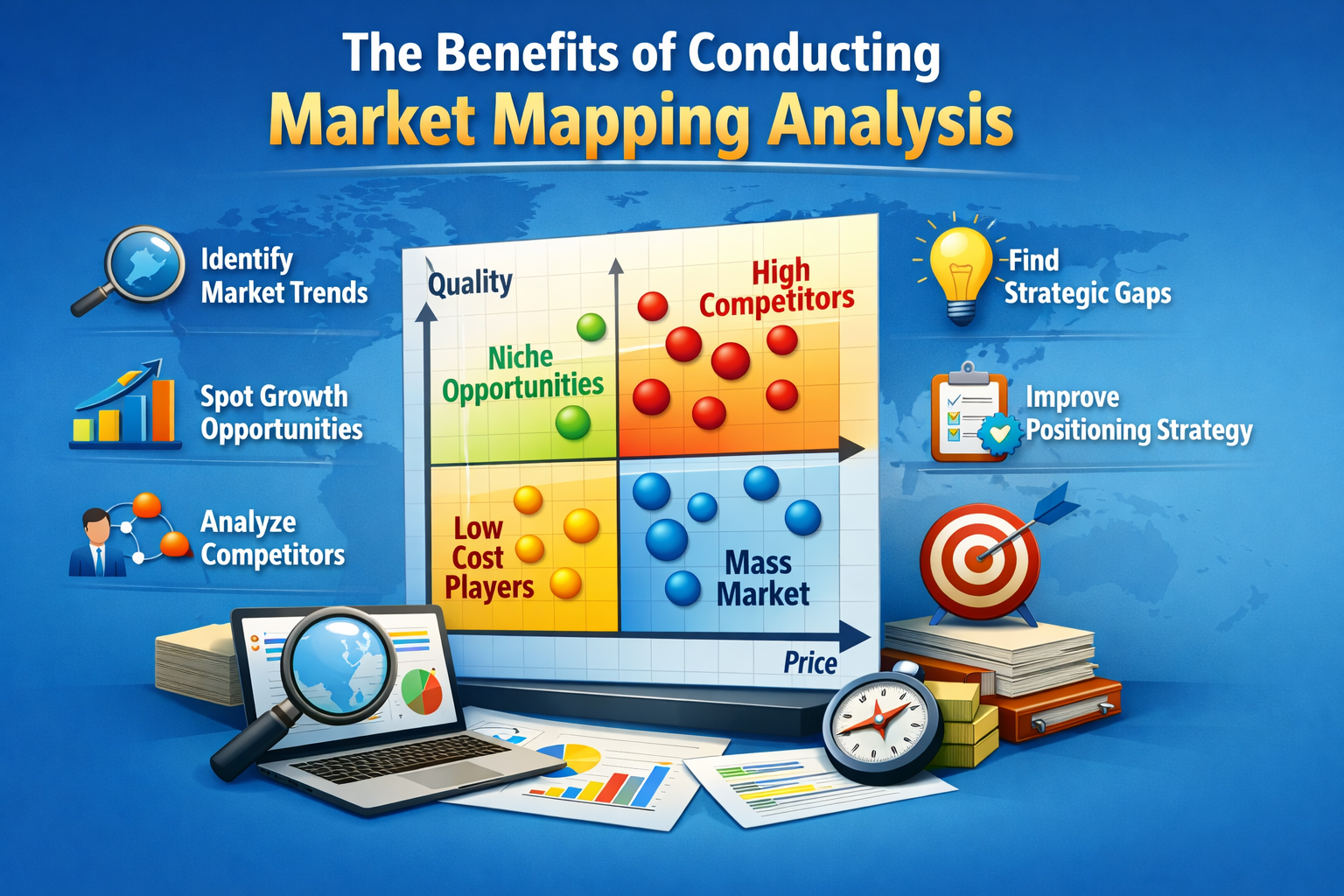
In today’s fast-paced business landscape, understanding your market is more crucial than ever. Enter market mapping analysis—a powerful tool that helps businesses visualize their position within an industry. By examining the intricate web of competitors, customer preferences, and emerging trends, companies can carve out a distinct niche. Whether you’re a startup seeking to make your mark or an established player looking to adapt, leveraging this analytical approach can set you apart from the competition. Let’s dive into why conducting market mapping analysis could be the game-changing strategy you’ve been searching for.
Understanding Your Target Market
It’s about knowing who your customers are and what drives their purchasing decisions.
Leverage social media analytics tools to monitor engagement patterns. Discover which content resonates most with your followers; this can guide product development or marketing strategies.
The more detailed your understanding becomes, the better equipped you’ll be to tailor offerings that truly meet customer needs. This targeted approach leads not just to sales but also fosters lasting relationships with clients who feel understood and valued.
Identifying Competitors and Their Strategies
Identifying competitors is a crucial aspect of market mapping analysis. Understanding who you are up against allows you to carve out your niche effectively.
Start by listing direct and indirect competitors. Direct rivals offer similar products or services, while indirect ones might fulfill the same customer need differently. This broad perspective helps in recognizing potential threats and opportunities.
Analyze their marketing tactics, pricing models, and customer engagement methods. What platforms do they use for outreach?
Monitoring social media presence can reveal how well they connect with customers. Look at reviews and feedback as these provide insights into their strengths and weaknesses.
Understanding these dynamics enables businesses to differentiate themselves and create more targeted strategies that resonate with their target audience.
Analyzing Industry Trends and Opportunities
Analyzing industry trends is vital for staying ahead. It allows businesses to identify shifts in consumer behavior and preferences. This insight is invaluable when making strategic decisions.
By keeping an eye on emerging technologies, companies can uncover opportunities that may not yet be apparent to their competitors. For instance, the rise of sustainable practices has opened new markets for environmentally conscious products.
Utilizing tools like SWOT analysis helps pinpoint both threats and opportunities within the landscape. This proactive approach fosters adaptability in a constantly changing environment.
Recognizing patterns early enables businesses to pivot quickly and capitalize on new avenues for growth.
Implementing a Successful Marketing Strategy
Implementing a successful marketing strategy requires clarity and precision. Begin by clearly defining your goals. What do you aim to achieve? Increased brand awareness, sales growth, or market penetration?
Next, leverage insights gained from your market mapping analysis.Tailor your messaging accordingly.
Engagement is key; foster relationships with customers through interactive content and personalized experiences.
Monitor progress continuously using analytics tools to measure engagement rates and conversion metrics.
Adaptability plays a crucial role as well. Be ready to pivot based on real-time feedback or changing market conditions. This agility can set you apart from competitors who may resist change.
Measuring Success Through Data Analysis
Measuring success through data analysis is a powerful approach for businesses looking to refine their strategies. It goes beyond surface-level metrics and dives deep into actionable insights.
Next, utilize analytical tools to interpret this information. Tools like Google Analytics or CRM software can help visualize trends and patterns over time.
With these insights in hand, make informed decisions that resonate with your target audience’s needs and preferences. Adjusting marketing tactics based on real-time feedback leads to enhanced engagement.
Continuously monitor performance indicators after implementing changes. This dynamic process ensures you stay ahead of market shifts and can pivot as necessary for sustained growth.
Case Studies of Companies That Have Utilized Market Mapping Analysis
Many companies have harnessed the power of market mapping analysis to drive their success.
A notable example is Airbnb. By analyzing customer segments and competitor offerings, they identified gaps in the travel market. This insight helped them tailor services that appeal specifically to diverse user needs, transforming how people experience accommodation.
Spotify also stands out for its strategic use of market mapping analysis. By understanding listener behaviors and competitor positions, Spottily created personalized playlists that catered directly to user tastes, enhancing engagement while staying ahead in a competitive industry.
These examples showcase how effective market mapping can guide businesses toward innovative solutions tailored precisely to both current trends and future opportunities.
Conclusion: Why Every Business Should Consider Conducting Market Mapping Analysis
Market Mapping Analysis is more than just a tool; it’s an essential strategy for any business looking to thrive in today’s competitive landscape. By understanding your target market, you gain insights that allow for tailored marketing efforts. Identifying competitors and analyzing their strategies helps you carve out your unique space in the industry.
Moreover, with constant shifts in consumer behavior and market dynamics, staying updated on trends and opportunities can give businesses a significant advantage. Implementing these insights into a well-crafted marketing strategy positions companies to respond effectively to changes and challenges.
Investing time and resources into this analytical approach not only enhances decision-making but also fosters innovation within teams. The benefits are clear: improved strategic planning leads to better outcomes, increased revenue potential, and sustainable growth over time. Embracing Market Mapping Analysis isn’t just advisable; it’s imperative for those serious about making informed choices in a fast-paced market environment.