






In today’s fast-paced property market, real estate marketing has become more critical than ever. With countless listings and a growing number of agents competing for clients’ attention, the ability to market properties effectively can make the difference between a quick sale and a stagnant listing. Real estate marketing is not just about putting a “For Sale” sign in front of a property—it’s about creating a compelling story around the property and building trust with potential buyers.
Understanding the Importance of Real Estate Marketing
The real estate industry is unique because it combines tangible products—homes, apartments, commercial spaces—with emotional decisions. Buying a property is often the largest investment someone makes in their lifetime, and buyers are naturally cautious. Effective marketing bridges the gap between sellers and buyers by highlighting the property’s value and helping buyers envision themselves living or working there.
Moreover, marketing goes beyond just selling a single property. For agents and real estate companies, it establishes brand credibility, builds relationships with clients, and positions them as experts in the field. In a competitive market, a strong marketing strategy can differentiate an agent from the hundreds of others vying for attention.
Digital Marketing: The Backbone of Modern Real Estate
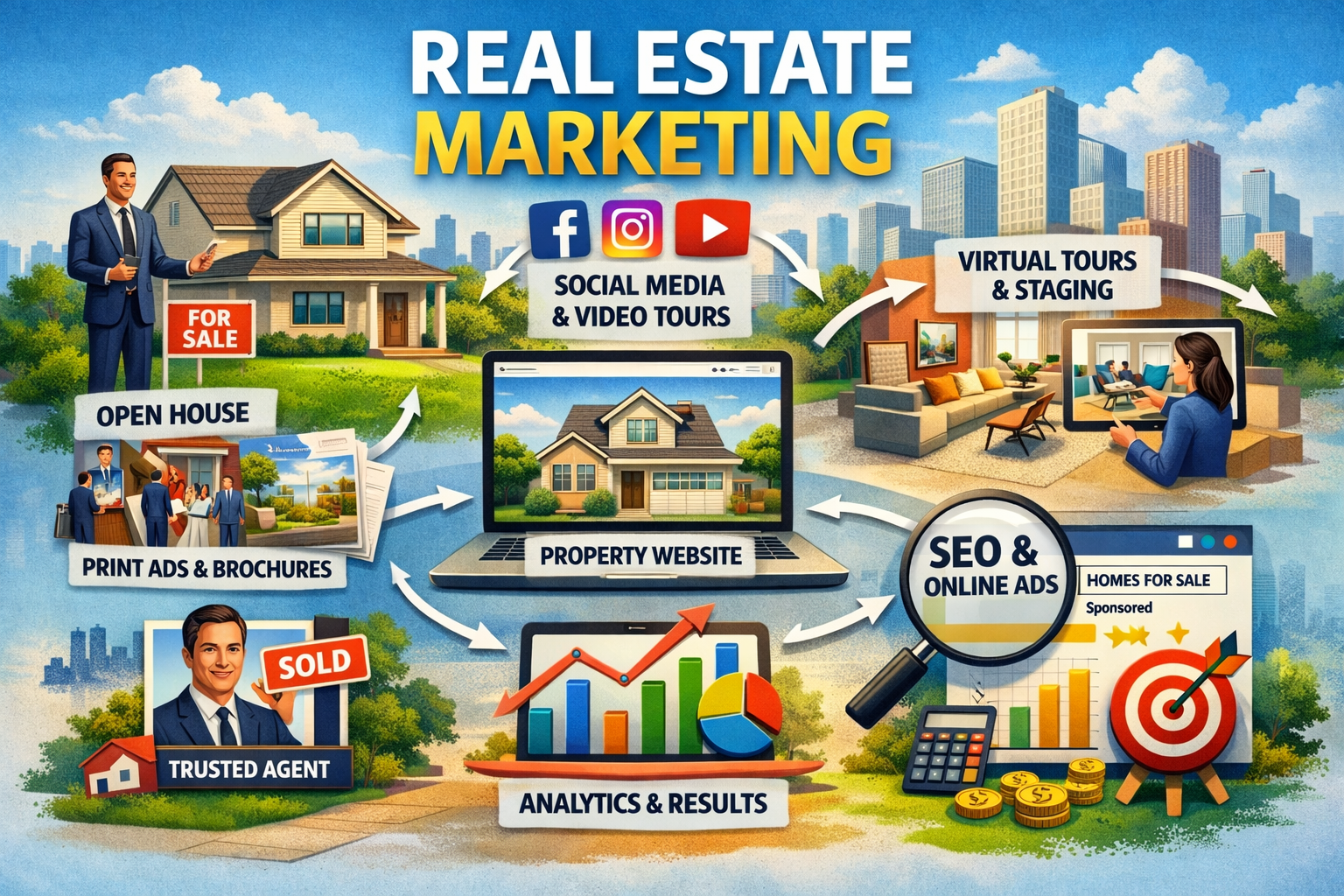
In recent years, digital marketing has become the cornerstone of real estate promotion. Social media platforms, email campaigns, and property listing websites allow agents to reach a wider audience than ever before. Facebook, Instagram, and LinkedIn are particularly effective for showcasing high-quality images, virtual tours, and even live walkthroughs of properties. Video content, in particular, has become essential as it provides a more immersive experience than static photos alone.
Search engine optimization (SEO) is another critical aspect of digital marketing. By optimizing a website for relevant keywords like “homes for sale in [city]” or “luxury apartments [city],” agents can increase their visibility on search engines and attract potential buyers organically. Additionally, paid advertising campaigns, such as Google Ads or Facebook Ads, can target specific demographics, ensuring that listings reach those most likely to engage.
Traditional Marketing Still Matters
While digital marketing is powerful, traditional marketing strategies should not be ignored. Open houses, property flyers, brochures, and networking events still play a vital role, particularly in local communities. These methods allow agents to connect personally with potential buyers and create a memorable impression. A well-staged open house, for instance, can help buyers emotionally connect with a property in a way that online photos sometimes cannot.
Staging and Presentation: Selling the Lifestyle
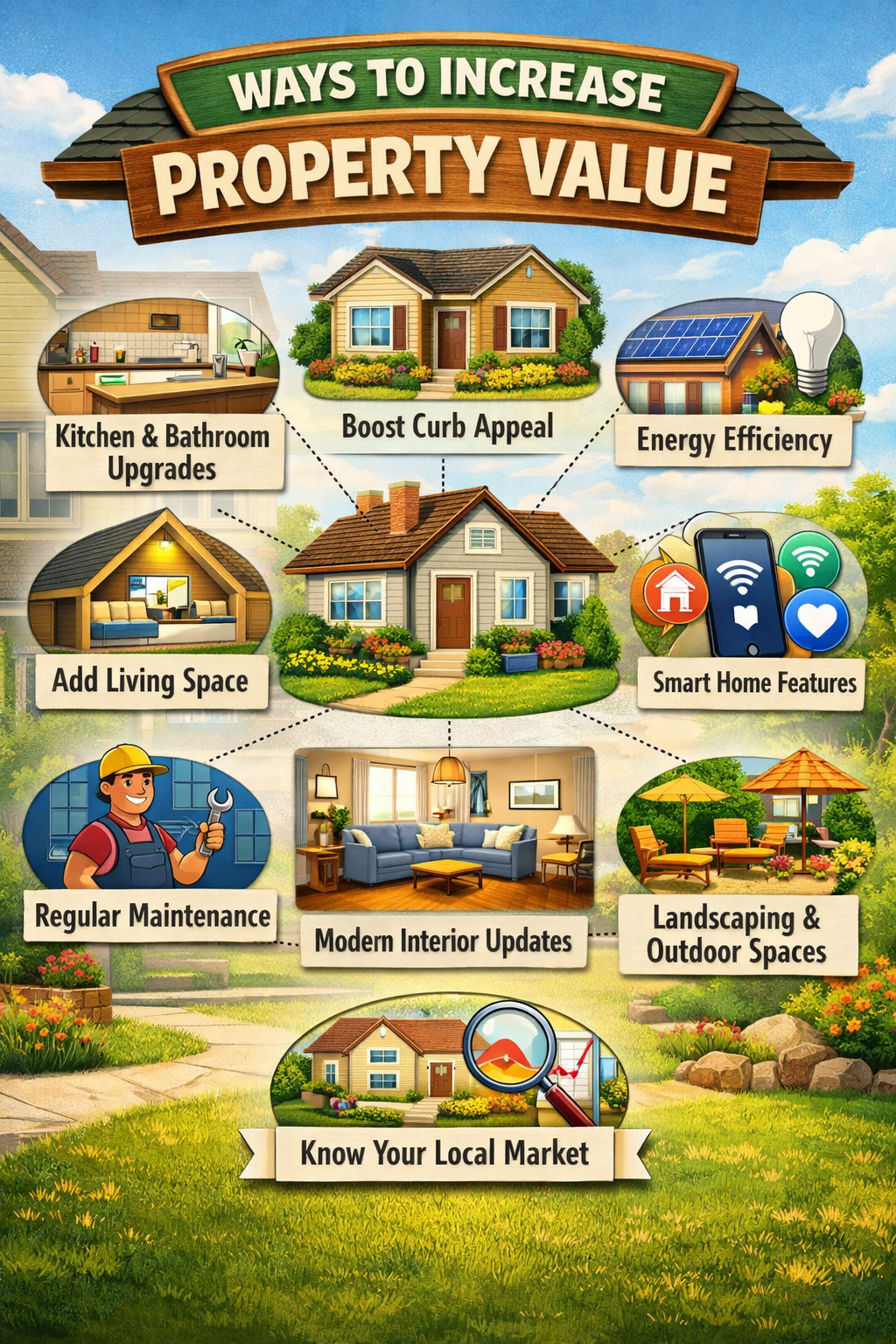
One of the most effective marketing strategies in real estate is property staging. Staging involves arranging furniture, décor, and lighting to highlight the home’s best features and make spaces appear more inviting. A staged property helps buyers imagine themselves living there, which can increase both interest and the perceived value of the property.
Professional photography and virtual tours have become indispensable tools in this process. High-quality images, combined with virtual 3D walkthroughs, allow buyers to explore a property remotely, saving time for both agents and clients. In the age of technology, these visuals can often make the first impression, and in real estate, first impressions matter immensely.
Building a Strong Brand and Client Relationships
Real estate marketing is not just about individual properties—it’s about building a reputation. Agents who consistently market their listings professionally, provide valuable information, and engage with clients through newsletters or social media tend to attract more referrals and repeat business. Trust and reliability are essential; buyers and sellers want to work with someone they feel confident will guide them successfully through one of the biggest transactions of their life.
Personal branding also plays a critical role. By showcasing their expertise, sharing success stories, and demonstrating knowledge of the local market, agents can position themselves as go-to experts. A strong personal brand enhances credibility and helps clients feel secure in choosing an agent over competitors.
Measuring Success and Adapting Strategies
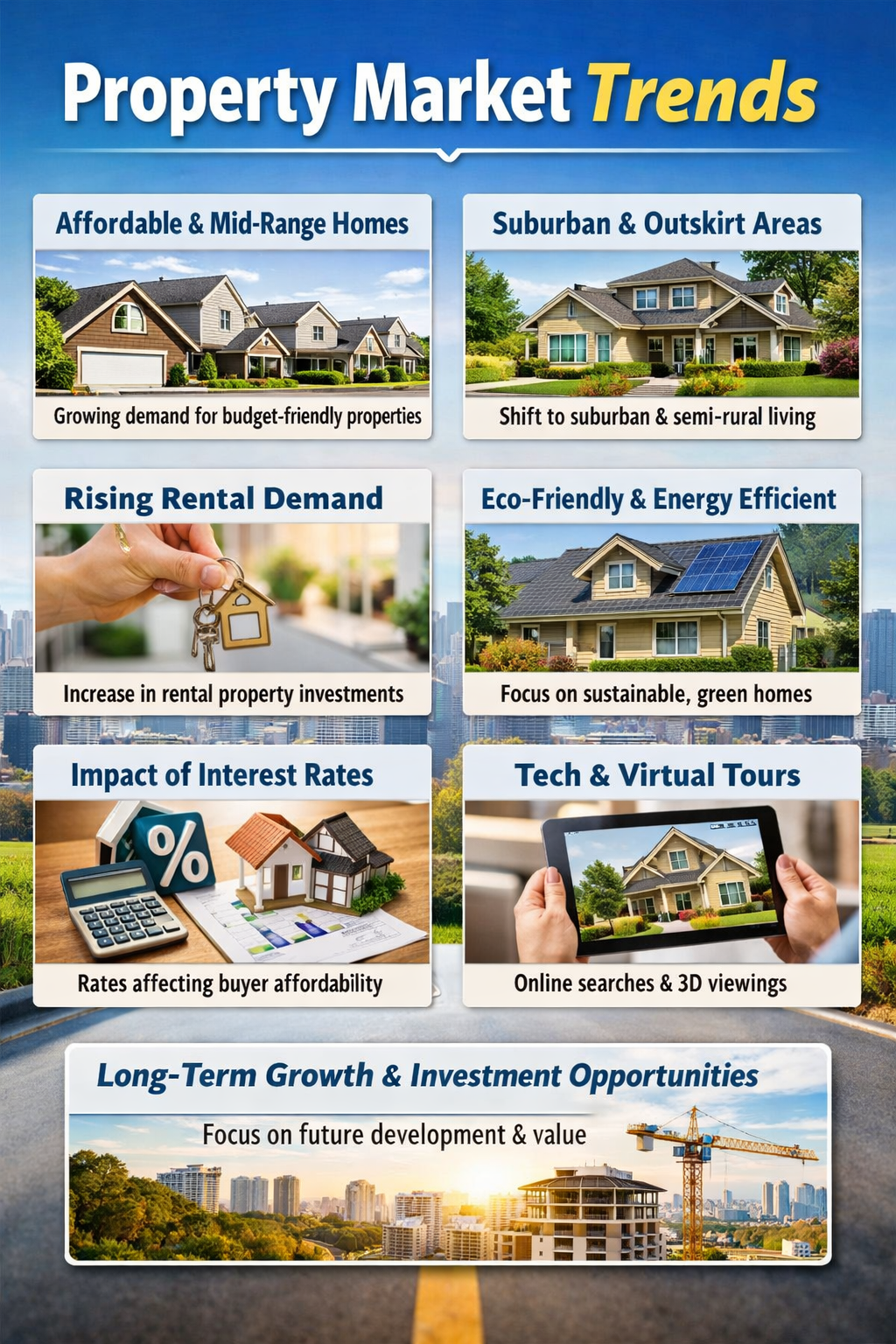
Effective marketing requires constant evaluation. Tracking metrics such as website traffic, engagement on social media, email open rates, and the number of inquiries can provide valuable insight into what strategies are working and where improvements are needed. Real estate markets are dynamic, and what works in one season may not be effective in another. Adapting strategies based on data ensures that marketing efforts remain relevant and impactful.
Conclusion
In conclusion, real estate marketing is a multifaceted approach that combines digital tools, traditional strategies, staging, and relationship-building to attract potential buyers and sell properties efficiently. In a market filled with options, agents who invest in comprehensive and creative marketing strategies are the ones who stand out. By understanding their audience, leveraging technology, and presenting properties in the best light, real estate professionals can create meaningful connections, close deals faster, and build a lasting reputation.
Marketing in real estate is more than just promotion; it is about creating an experience that resonates with buyers, inspires trust, and ultimately drives results. In an industry where every detail matters, the right marketing strategy can make all the difference.