










The property market is always changing, shaped by economic conditions, lifestyle shifts, and buyer behavior. Whether you’re planning to buy your first home, sell a property, or invest for long-term gains, understanding current property market trends can help you make smarter decisions. Today’s real estate landscape looks very different from a few years ago, and those changes are creating both challenges and opportunities.
Shift Toward Affordable and Mid-Range Properties
One of the most noticeable property market trends is the growing demand for affordable and mid-range housing. With rising living costs and tighter household budgets, buyers are becoming more price-conscious. Luxury properties are still selling, but they often take longer to move unless they offer exceptional value or unique features.
First-time buyers, in particular, are focusing on practical homes that meet their needs without stretching finances too far. Smaller homes, apartments, and properties in developing neighborhoods are gaining attention, especially where prices are more reasonable and growth potential exists.
Increased Interest in Suburban and Outskirt Areas
Urban living was once the top choice for many buyers, but recent property market trends show a strong shift toward suburban and semi-rural areas. People are now prioritizing space, comfort, and a better work-life balance. Properties outside city centers often offer larger living areas, gardens, and quieter surroundings at more affordable prices.
Remote and hybrid work arrangements have played a big role in this shift. Since daily commuting is no longer essential for many professionals, buyers are willing to move farther from city hubs as long as connectivity and basic amenities are available.
Rising Importance of Rental Demand
Rental properties remain a key focus in current property market trends. As high interest rates and property prices delay homeownership for many, rental demand continues to rise. This is good news for investors, especially in cities with growing populations, universities, or employment hubs.
Short-term and long-term rentals are both seeing growth, depending on location. Urban areas attract professionals and students, while tourist destinations benefit from short-term rental demand. Investors are increasingly analyzing rental yield and occupancy rates before making buying decisions.
Sustainability and Energy Efficiency Matter More Than Ever
Buyers today are more environmentally aware than ever before. One of the strongest emerging property market trends is the demand for energy-efficient homes. Properties with solar panels, proper insulation, energy-efficient windows, and modern heating systems are more attractive to buyers and tenants alike.
Not only do these features reduce environmental impact, but they also help lower monthly utility bills. As a result, energy-efficient homes often sell faster and at better prices compared to older, less efficient properties.
Technology Is Changing How Properties Are Bought and Sold
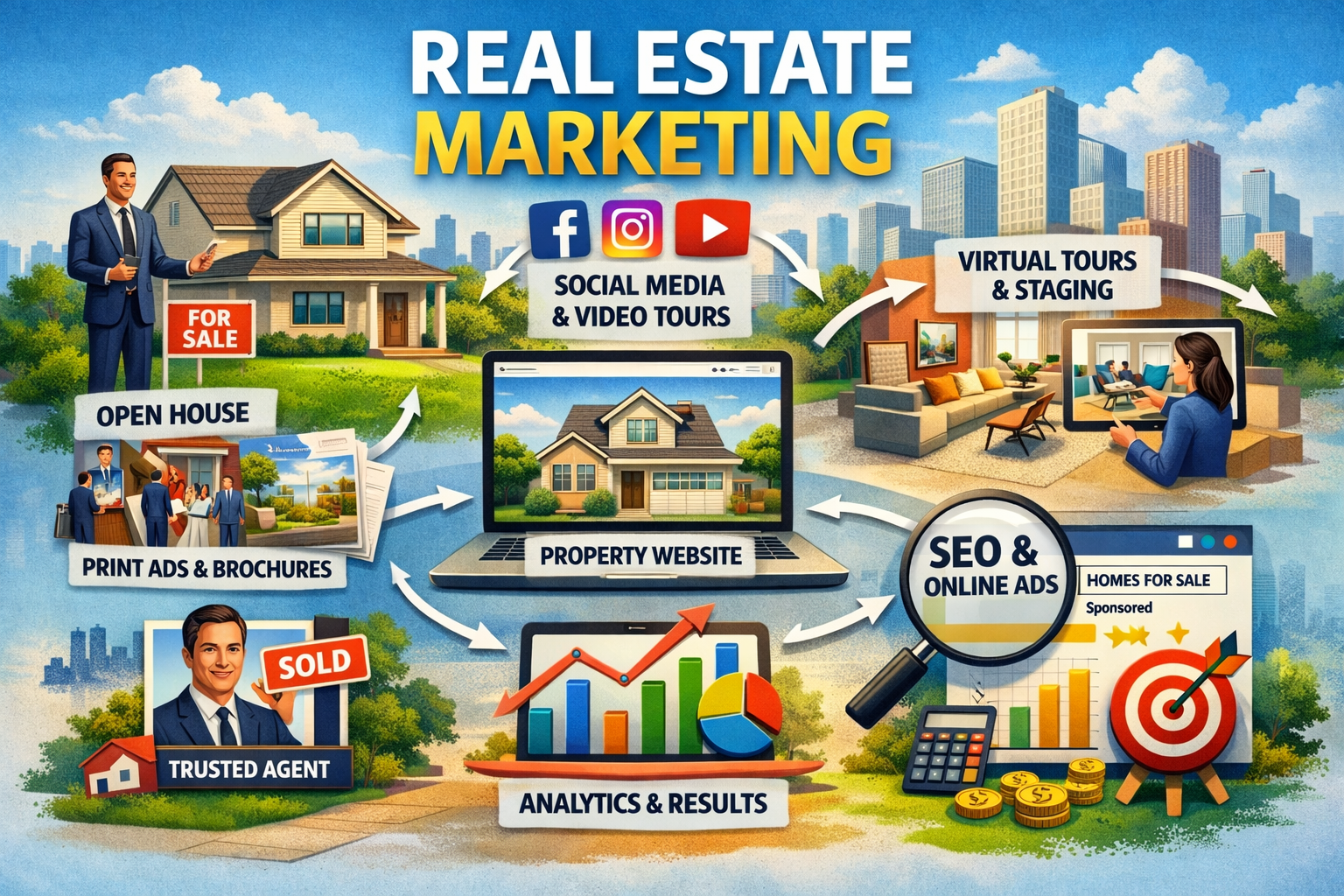
Technology has transformed the real estate industry, and this shift continues to influence property market trends. Online property listings, virtual tours, and digital documentation have become standard tools. Buyers now research extensively online before even stepping into a property.
Real estate agents are also using data analytics to price homes accurately and predict market behavior. This increased transparency has empowered buyers and sellers, making the process more informed and competitive.
Interest Rates and Financing Impact Buyer Behavior
Interest rates play a major role in shaping property market trends. When rates rise, borrowing becomes more expensive, which can slow down buyer activity. Many buyers delay purchases, while sellers may adjust prices to stay competitive.
However, even in higher interest rate environments, demand doesn’t disappear—it simply becomes more selective. Buyers focus on value, long-term potential, and properties that fit their financial plans. Savvy investors often view slower markets as opportunities to negotiate better deals.
Long-Term Growth Over Short-Term Gains
Another important trend in the property market is the shift toward long-term thinking. Quick flips and short-term speculation are becoming less common as buyers and investors focus on stable growth. Location quality, infrastructure development, and future demand are now more important than short-term price jumps.
Areas with upcoming transport projects, schools, hospitals, or commercial developments are attracting attention. Buyers are willing to invest early in such locations, expecting gradual appreciation over time.
Final Thoughts
Understanding current property market trends is essential in today’s competitive real estate environment. From changing buyer priorities and growing rental demand to sustainability and technology-driven decisions, the market is evolving in meaningful ways. Whether you’re a buyer, seller, or investor, staying informed helps reduce risk and increase potential returns.